Planning 2026-27 school trips?Book a call with our team
The impact doesn't start when your students arrive.
And it doesn't stop when they leave.
Most trip companies build projects for visitors. We build programs for communities — then invite your students to join.
How year-round programs make every trip count
Our programs run 365 days a year with Kenyan-led teams. Student trips are windows into ongoing work — not the work itself.
Programs run year-round
Kenyan-led teams operate Seeds2Education gardens, water cooperatives, and school feeding programs 365 days a year. The work never pauses.
Students join the work
Your students plug into programs already in motion. They contribute to real, ongoing projects — not activities invented for their visit.
Impact continues after they leave
When the bus pulls away, the gardens keep feeding. The water infrastructure keeps serving. The cooperatives keep operating. Nothing stops.
Two programs. One mission.
These aren't trip add-ons. They are standalone community programs your students get the privilege of joining.

Seeds2Education
Permaculture gardens established at partner schools in the Kasigau Corridor. Local staff tend and harvest these gardens every school day. The food goes directly into school meals.
Our first harvest of 15,000kg of onions will be exchanged for 45,000 school meals — each kilogram providing 3 meals.

Water Empowering Women
Women-led cooperatives manage water collection, purification, and distribution for surrounding communities. These cooperatives create income, independence, and infrastructure.
When women have water, girls stay in school. This is not a metaphor. It is a documented, measurable outcome.
Programs never stop. Trips are windows.
The green bar runs all year. The orange windows are when students visit. See the difference?
Trip windows are flexible. Programs are constant.
"What happens when the students leave?"
The gardens keep feeding
Seeds2Education gardens are tended by local staff every school day. Our first harvest is projected to provide 45,000 meals — whether or not visitors are present.
The water keeps flowing
Women-led cooperatives operate independently. Water infrastructure serves communities year-round.
The cooperatives keep growing
Income-generating programs continue. Women gain economic independence regardless of trip schedules.
Local teams stay employed
Our Kenyan staff work full-time, year-round. They are not seasonal hires brought in for student visits.
Nothing stops. That is the mechanism. That is why the impact claims are real.
Built from the ground up
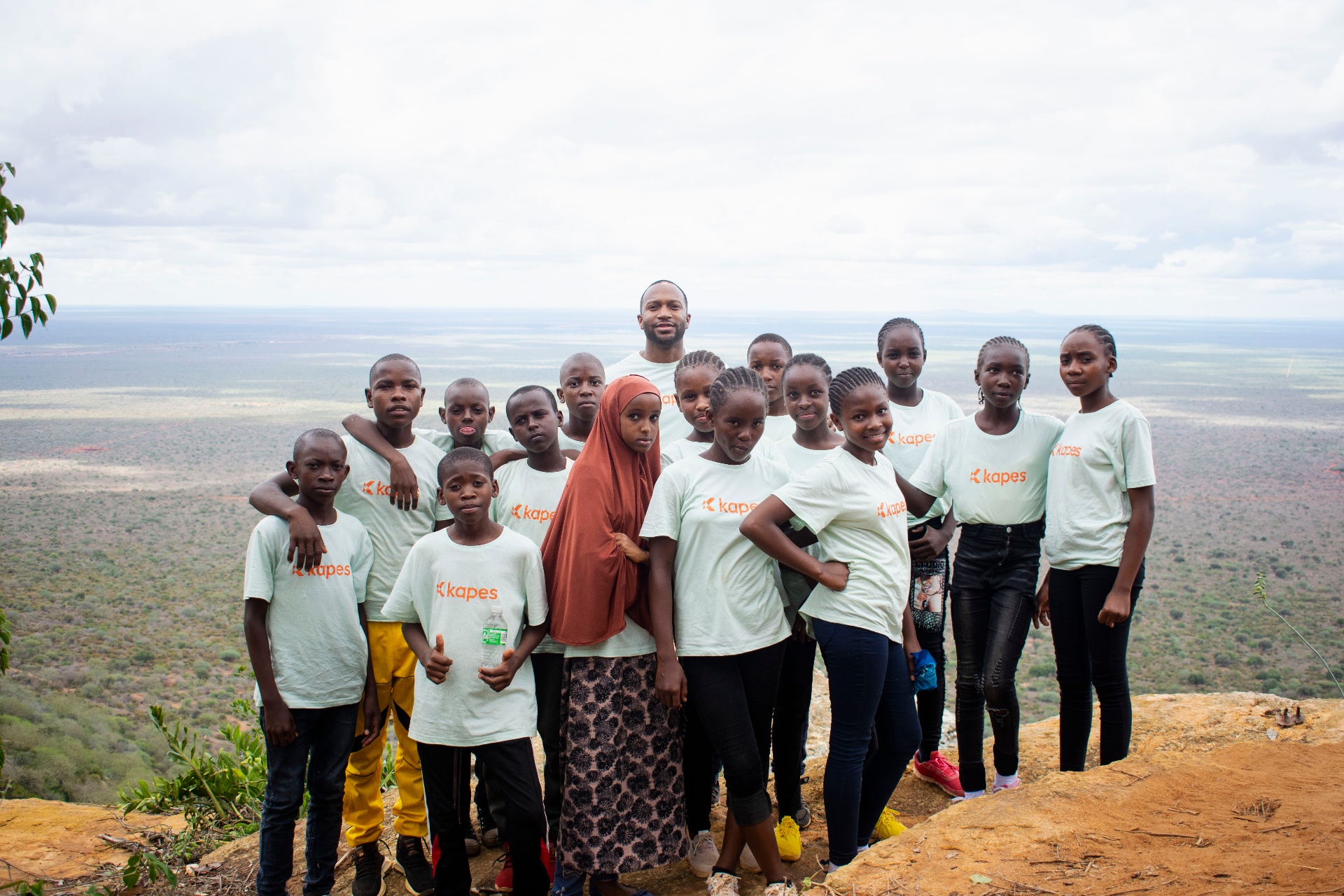
In 2020, Matthew Benjamin founded Kapes Uniforms — a social enterprise producing school uniforms in Kenya while creating local employment.
A visit to the Kasigau Corridor changed everything. The communities there needed more than uniforms. They needed food security, water access, and economic opportunity for women.
Kapes Adventures was born in 2022 to connect international schools with these communities — not as charity tourists, but as participants in work that was already happening.
The programs came first. The trips came second. That order matters.
Proof, not promises
"Kapes Adventures provided an experience that was authentic, well-organised, and genuinely impactful. Our students didn't just visit a project — they joined something real. The year-round commitment to these communities sets them apart from every other provider we evaluated."
How does your current trip compare?
Take our 5-minute School Trip Impact Scorecard. Get a clear, research-informed assessment of your program's learning quality, ethics, and community impact — with actionable next steps.
Free. No email required. Results are instant.
What decision-makers ask
Our Kenyan teams run every program daily. Seeds2Education gardens are tended and harvested year-round — our first harvest of 15,000kg of onions is projected to provide 45,000 school meals. Water cooperatives collect, purify, and distribute water to surrounding communities. Student trips are scheduled windows into this continuous work.
All programs are led by Kenyan staff and community members. Seeds2Education is managed by local permaculture specialists and school staff. The water program is operated by women-led cooperatives. Kapes Adventures coordinates logistics, but communities own and run the impact work.
We provide a transparent breakdown before you book. Funds cover program operations, community payments, local staff wages, accommodation, transport, meals, and safety infrastructure. No portion goes to middlemen or offshore accounts. We can share a detailed line-item budget on request.
We track meals served per day, children enrolled in feeding programs, water access points built, cooperative membership, and school attendance data. We share these numbers in post-trip reports and can provide them to your board or accreditation body.
Yes. Every trip is designed to meet IB CAS, Duke of Edinburgh, and common service learning criteria. We provide pre-trip learning modules, on-trip reflection frameworks, and post-trip documentation to support your curriculum requirements.
We run trips for groups of 10-30 students, plus accompanying staff. This size ensures meaningful engagement without overwhelming community partners. Larger groups can be split across multiple trip windows.
Your students deserve a trip that matters
before, during, and after.
Talk to our Kenya-based team. Ask the hard questions. We have the answers because we do the work every single day.