Last year, in photographs
All of this is the same week.
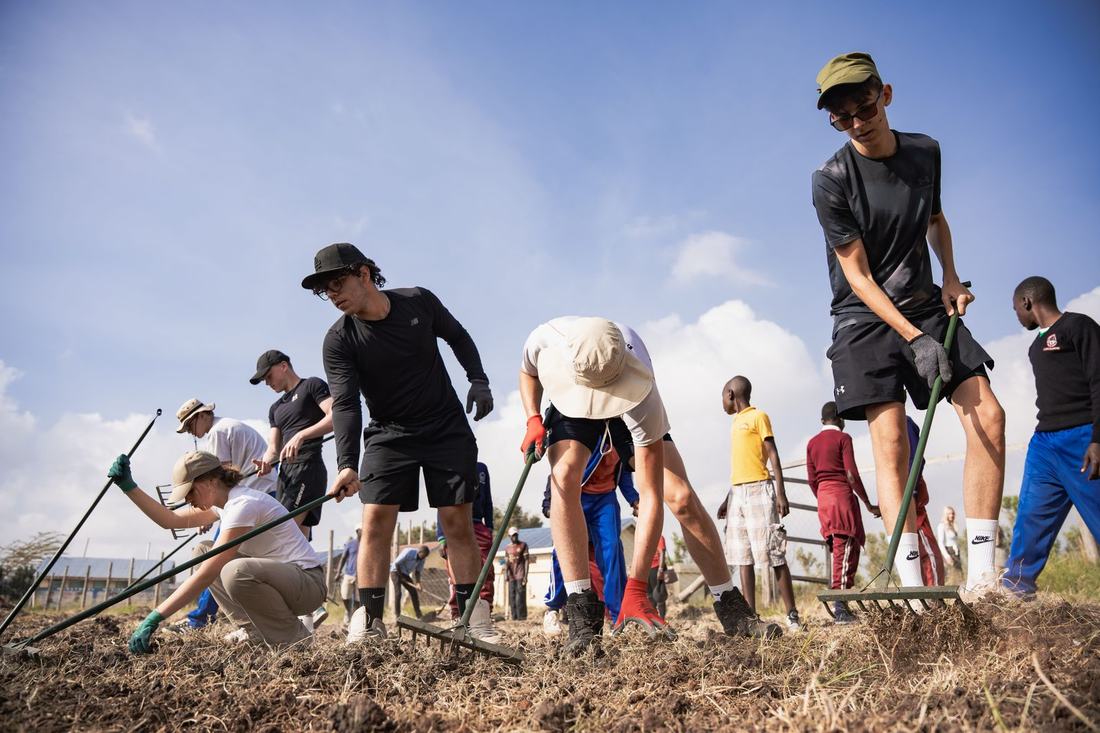
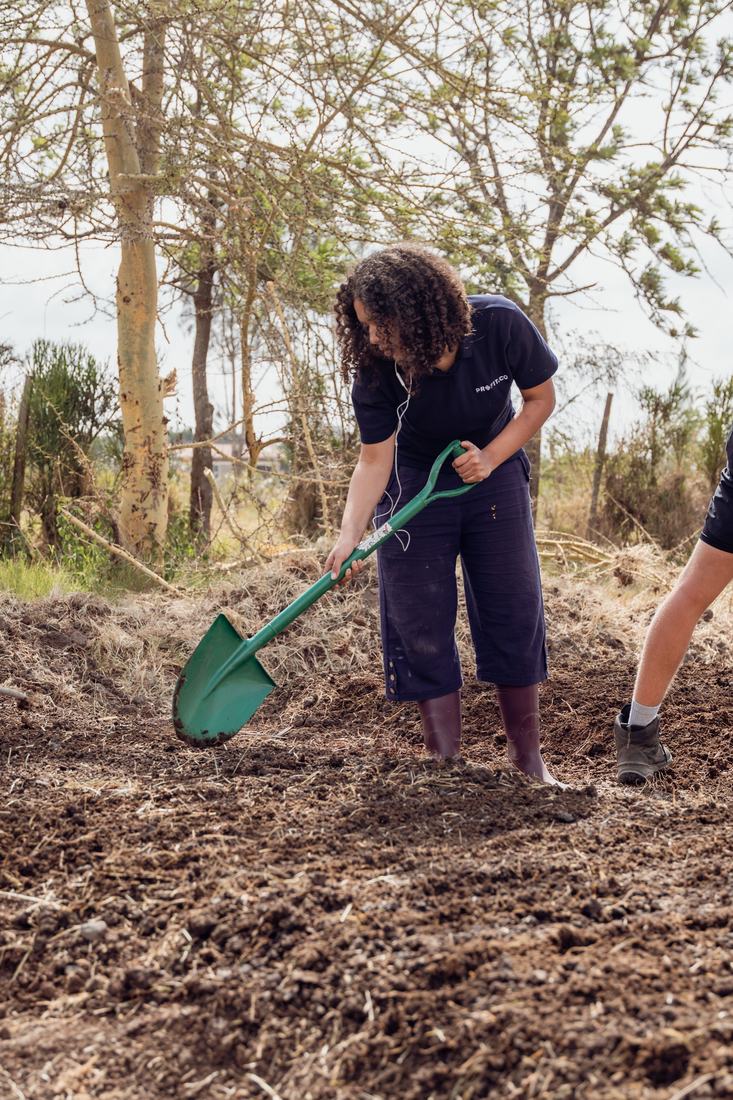
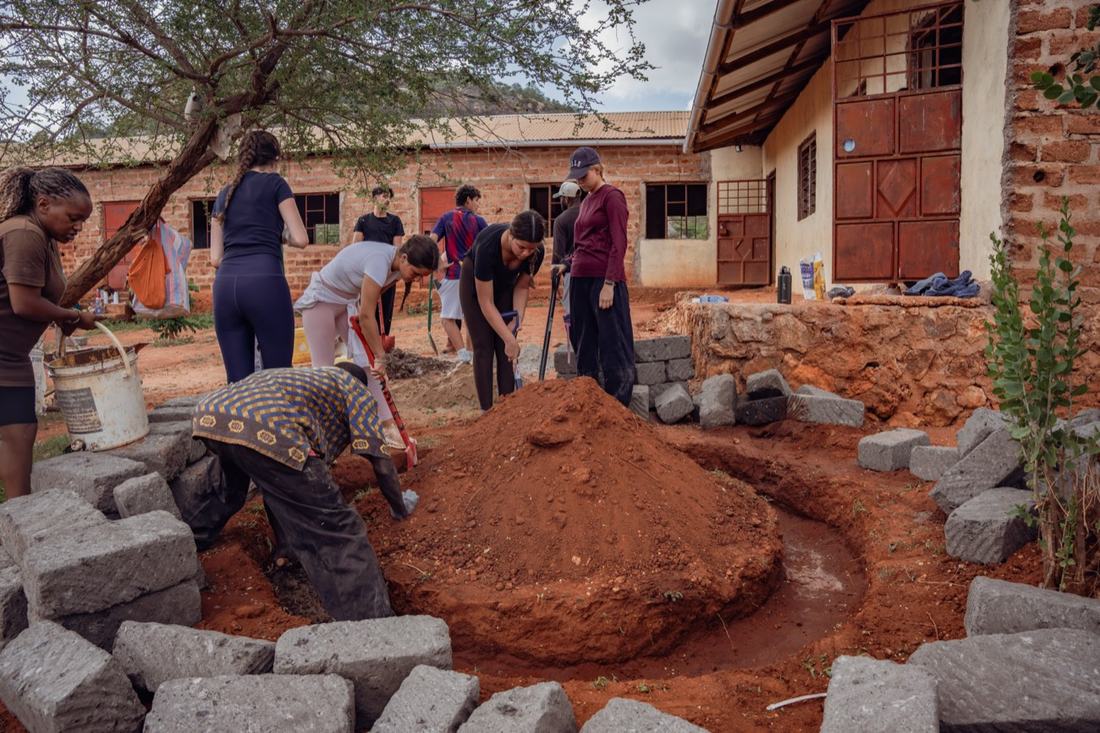
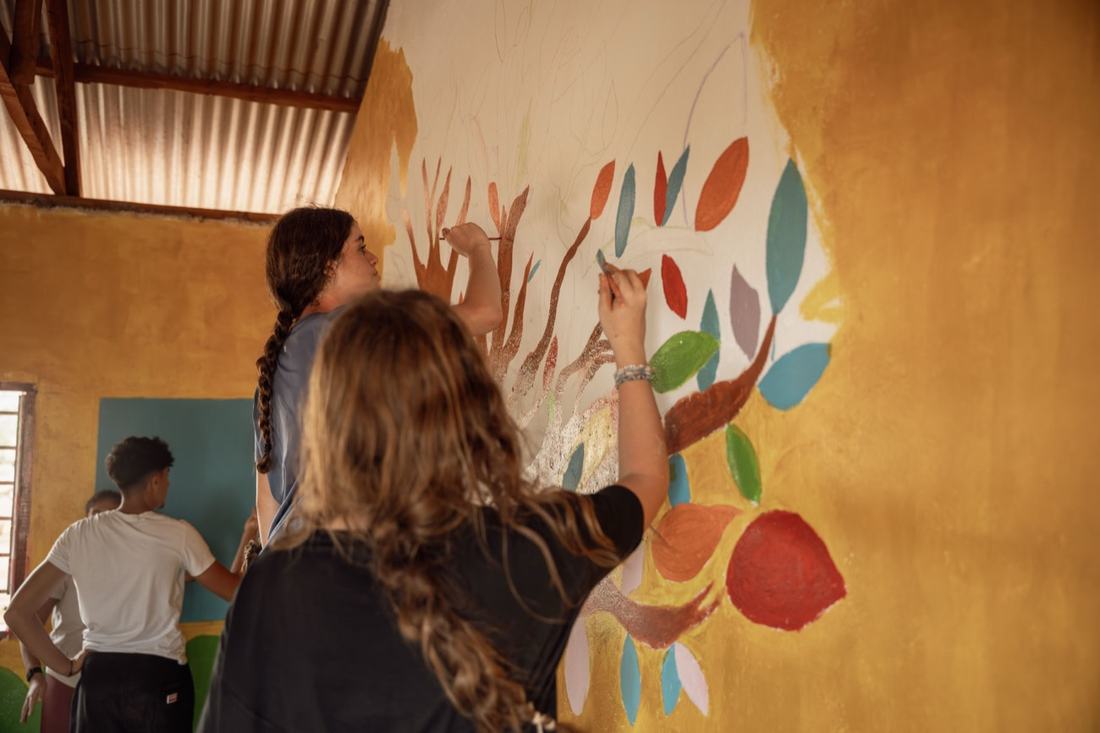
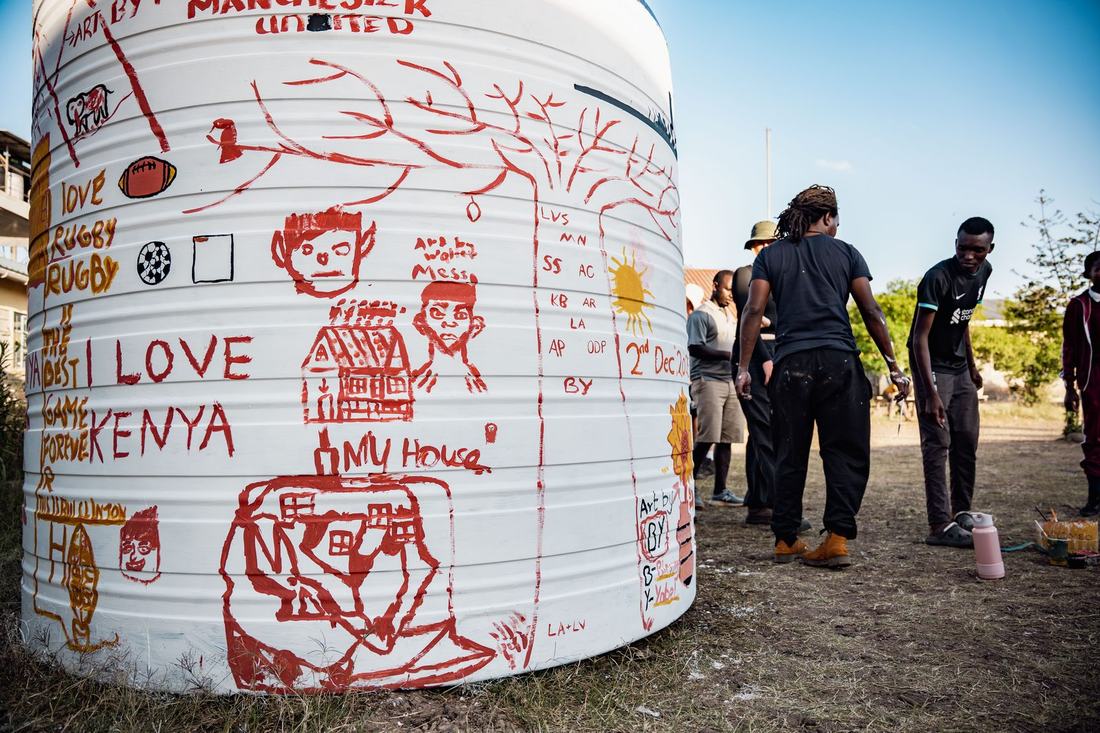
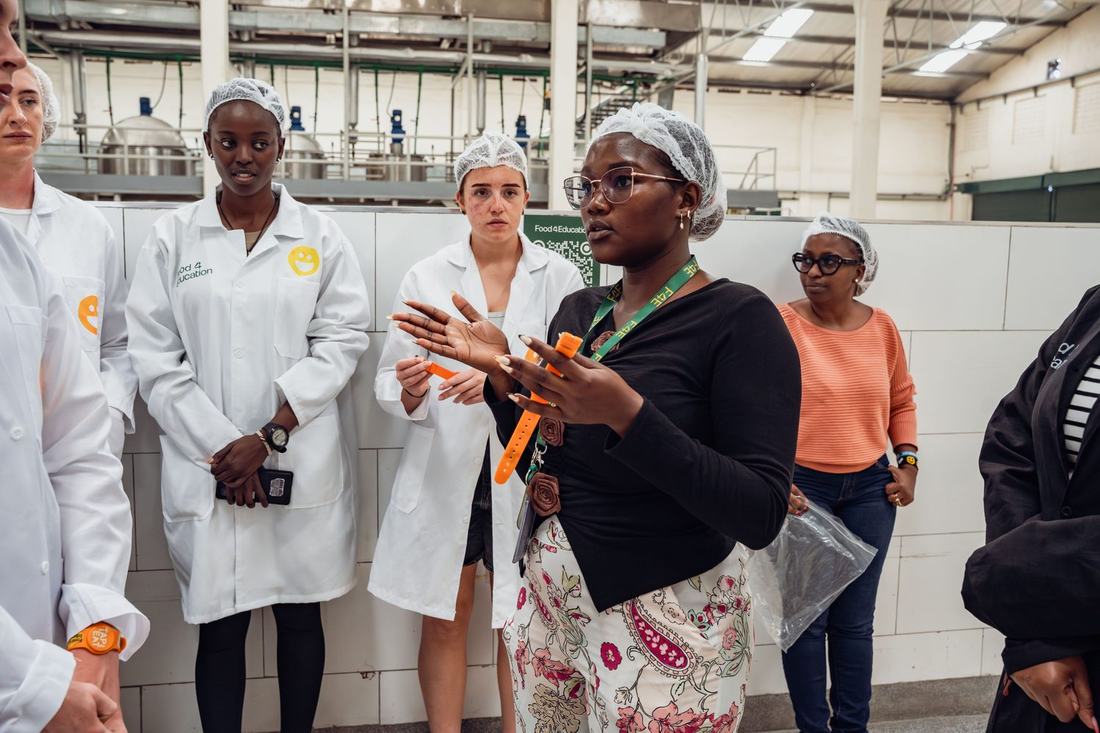
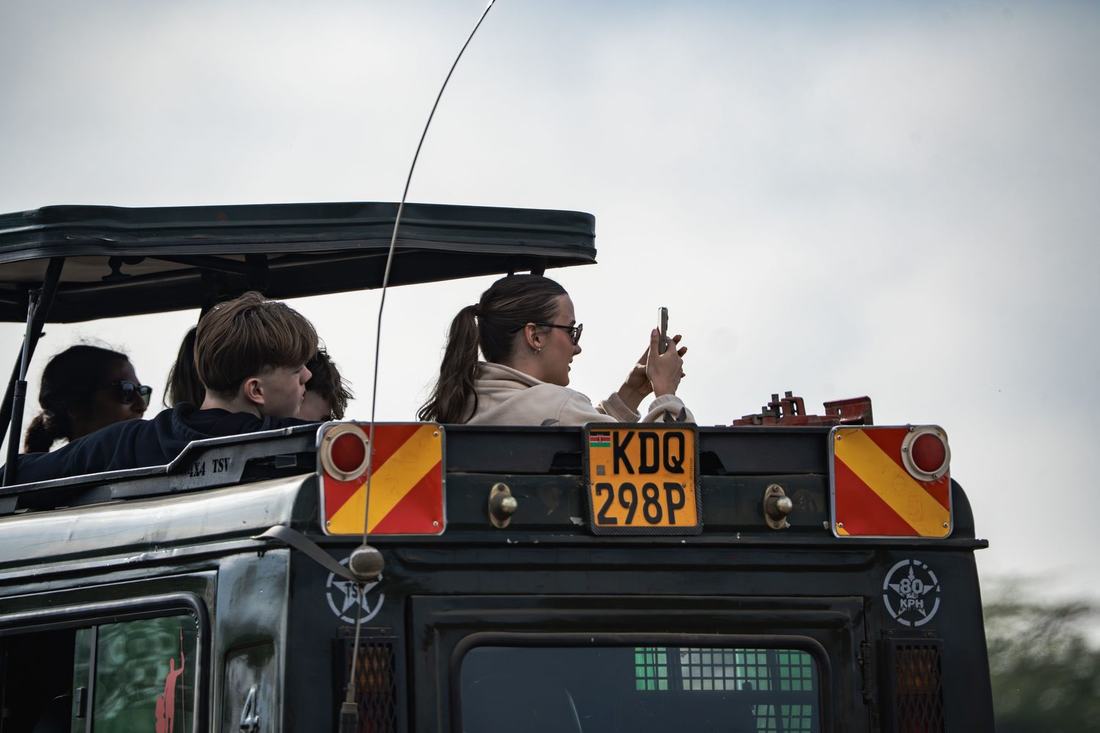
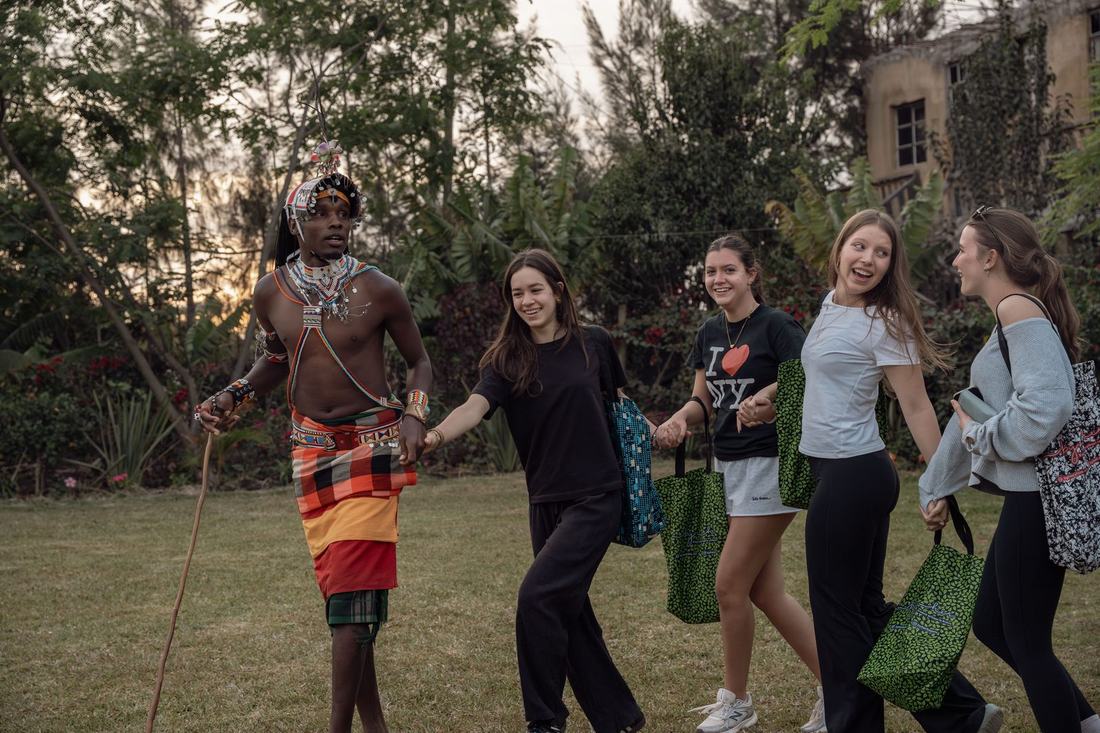
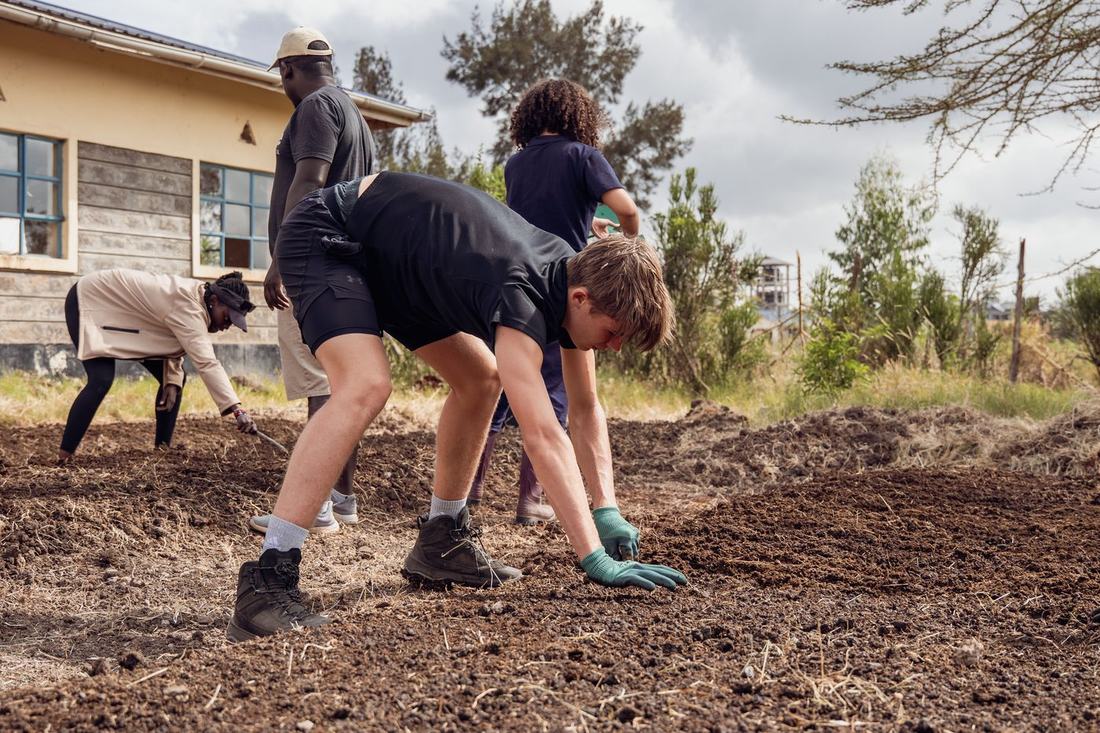
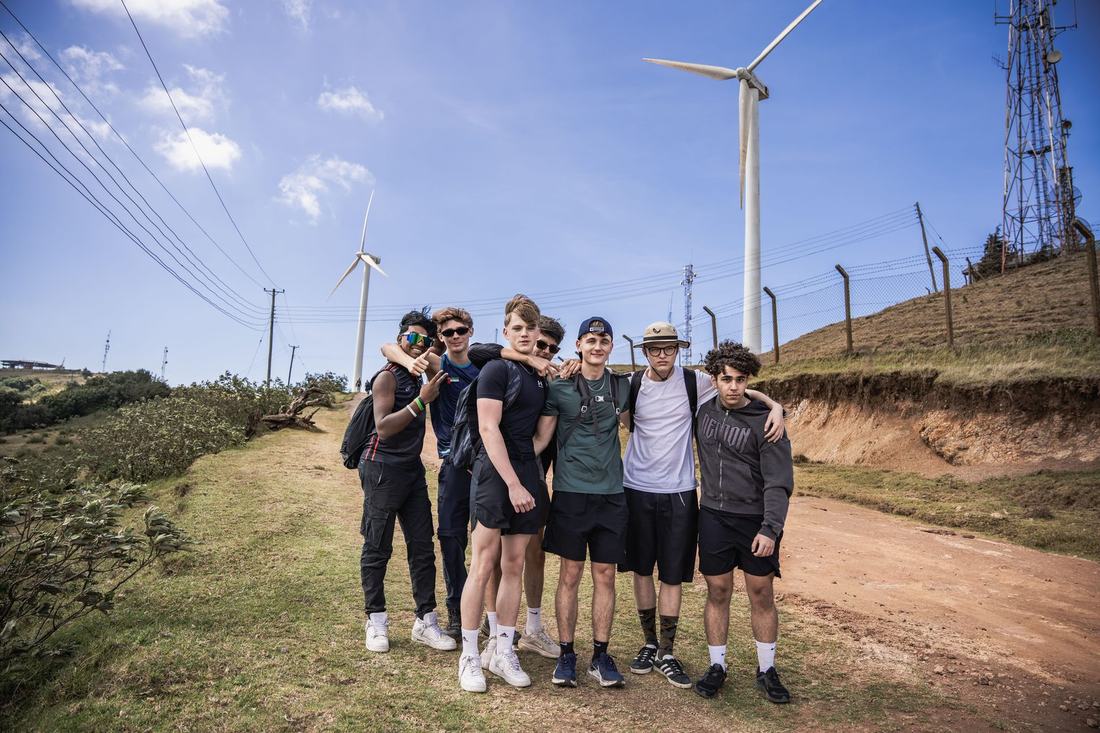
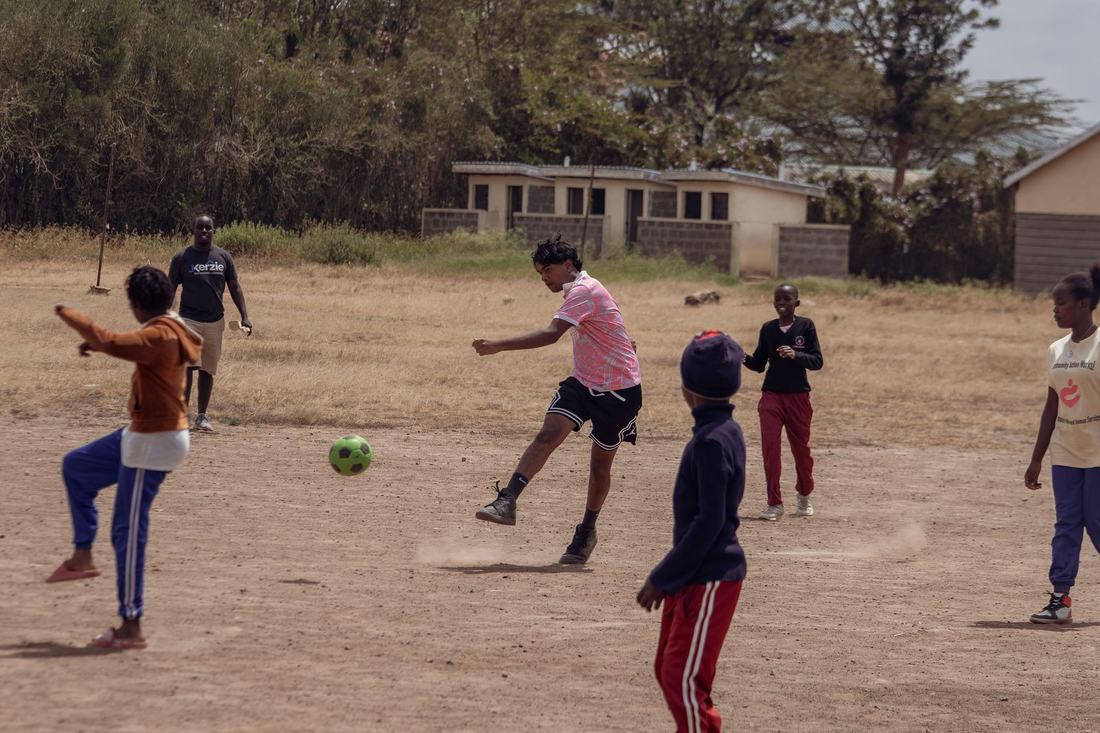
Hear from Fairgreen students who went in 2025, reflecting on the experience and the friendships they brought home.
“As a CAS coordinator, I could not be more proud of our group.”
Seeds2Education turns unused school land into a working farm, with the aim of supporting access to nutritious school meals over time. You work alongside Kenyan students and a local crew to prepare the ground, improve water infrastructure and plant. The 2027 partner school is still to be confirmed: the programme may build on the existing site or begin at a new school.
The planned week combines practical project work, time with Kenyan students and space to explore. The partner school and exact project tasks will be confirmed as planning progresses.
Land at 14:30, at the lodge by five. The Maasai community arrives that evening for dinner and the fire afterwards.
Lion, rhino, buffalo and giraffe with the city skyline behind them. Wildlife and open grassland within reach of Nairobi.
Hands on the line at the Giga Kitchen in the morning. In the afternoon you ride the delivery run out to a school it feeds, serve the meal and stay to help.
A Kenyan artist runs the workshop on site with the school’s own students. You design the mural together, then start turning earth.
Level the base, mix and pour the cement, fit the pipework, raise the tank. The Kenyan build crew runs the job and sets the pace.
Plant out the beds, paint the mural onto the tank, then hand the work over to the school in front of the students who built it with you.
A ridge walk under the wind turbines with the Rift Valley below, then a Kenyan market day back at the lodge.
A daytime flight back to Dubai, in the same evening, with Sunday clear before school.
The Fairgreen cohort’s own week, start to finish.
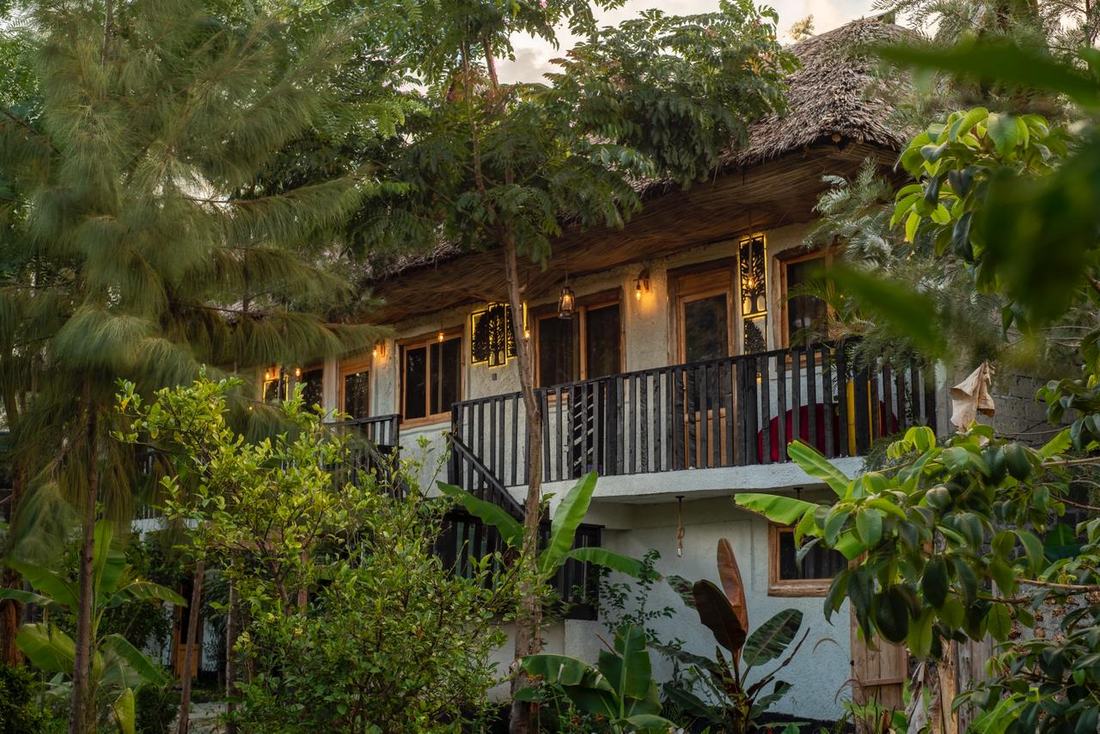
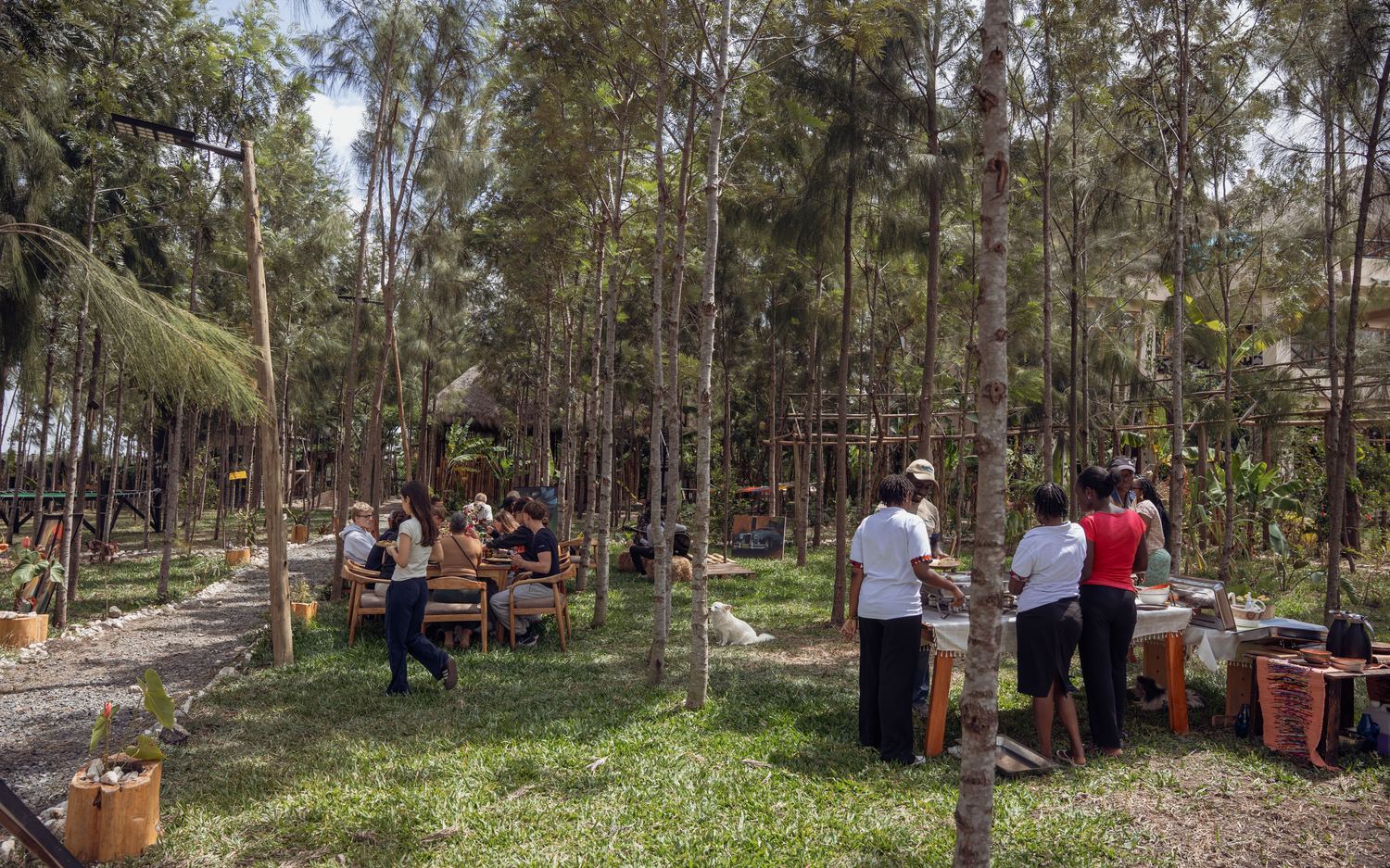
A Kenyan eco-lodge in Rongai, around an hour from the airport, held for the Fairgreen group alone. One base for all seven nights, and everything cooked and eaten on site.
AED 11,250 per student, land only. That covers accommodation, all meals, all transport in Kenya, every project material, park entry, the Kenyan trip leaders, travel insurance and Kenyan emergency response cover. International flights are on top and are the one cost to budget separately. Families pay in three instalments direct to Kapes: AED 2,250 at booking, AED 4,500 on 1 November and AED 4,500 on 11 December.
Four of the eight days. Three on the school site and one inside a working kitchen and out on its delivery run. The wildlife day and the hills morning sit around that.
Kenyan trip leaders contracted directly by Kapes, one for every ten students, plus the Fairgreen staff travelling with the group. There is a 24-hour duty contact all week and a daily check-in to the school.
No. Nobody arrives knowing how to mix cement or fit pipework. The Kenyan crew teach you on site.
Material for five of the seven learning outcomes, and a subject for a CAS project when you get back. You keep your own records.
The plot prepared by the 2025 Fairgreen cohort subsequently produced approximately 4,000 kg in its first onion harvest. The work continues beyond the visiting group. For 2027, the partner school has not yet been confirmed: your cohort may develop the existing site or help establish a farm at a new school.
Lola, on the 2025 Fairgreen cohort