
In classrooms around the world, educators strive to inspire their students, to spark curiosity, and to prepare young minds for the challenges they'll face as global citizens. Yet despite our best efforts with traditional teaching methods, there's something uniquely powerful about learning that happens beyond school walls, particularly when that learning involves meaningful service to others.
After observing hundreds of students who have participated in educational trips with social impact components, one thing has become abundantly clear: the transformation isn't subtle. It's profound, lasting, and often life-changing.
Beyond Souvenirs: What Students Really Bring Home
When students return from well-designed educational trips that incorporate social impact work, they carry something far more valuable than photographs and trinkets. They return with a newfound sense of agency and purpose that traditional classroom learning, despite its many merits, rarely provides.
This shift isn't just anecdotal, it's observable, measurable, and transformative. Students who previously struggled to engage with abstract concepts suddenly demonstrate deep understanding when they've had the opportunity to apply their learning in real-world contexts where their actions create tangible change.
The Elements That Create Transformation
Real Solutions, Not Just Problem Analysis
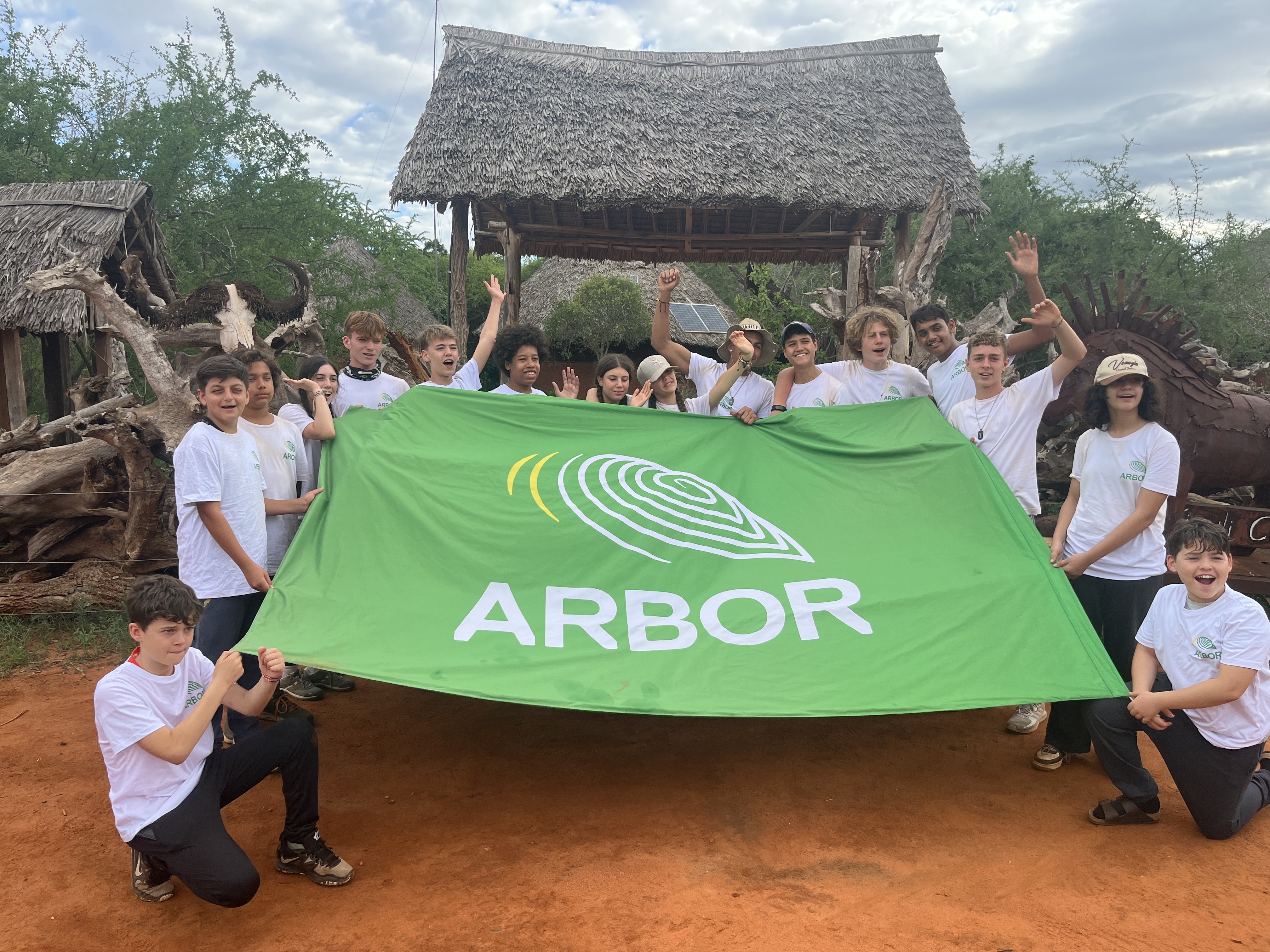
The most impactful educational trips share a common characteristic: students don't merely learn about global or local challenges, they actively participate in addressing them. Whether they're contributing to sea turtle conservation efforts along Costa Rica's coastlines, helping transform unused school grounds into productive farmland that will feed students for years to come, or engaging in meaningful cultural exchanges with indigenous communities, these young people experience firsthand what it means to be part of the solution.
This type of learning stands in stark contrast to the hypothetical scenarios often presented in textbooks. Here, the work is immediate, the results are visible, and the impact is deeply personal. Students can see, touch, and measure the difference their efforts make, creating a powerful connection between their actions and their values.
The Power of Reciprocal Relationships
Perhaps the greatest misconception about social impact educational trips is the assumption that they primarily benefit the communities where the work takes place. While local organisations certainly gain committed volunteers and communities receive economic support through sustainable tourism models, the reality is more nuanced and far more powerful.
The most successful programs create genuinely reciprocal relationships. Cultural exchange flows in both directions, with visiting students often gaining as much, if not more, from the communities they work alongside. Students return home with expanded worldviews, enhanced problem-solving abilities, and a deeper understanding of their own capacity to create change.
Local community members, meanwhile, often share their knowledge, traditions, and perspectives in ways that challenge students' assumptions and broaden their understanding of different approaches to common human challenges. This mutual exchange creates lasting bonds and ongoing relationships that extend far beyond the duration of the trip itself.
Starting Small: Impact Doesn't Require Distance
For schools hesitant about the logistical complexities or financial investment required for international travel, it's worth noting that some of the most impactful experiences happen remarkably close to home. Partnerships with local organisations addressing homelessness, environmental degradation, or food insecurity can provide equally transformative experiences, often just miles from campus.
These local initiatives offer several advantages: they're more accessible to students from diverse economic backgrounds, they allow for ongoing engagement rather than one-time experiences, and they help students recognise that meaningful service opportunities exist in their own communities. The proximity also makes it easier for schools to develop the deep, ongoing partnerships that characterise the most successful programmes.
The Critical Role of Structured Reflection
What distinguishes truly transformative educational travel from well-intentioned but ultimately shallow experiences is the presence of structured reflection opportunities. When students are guided through the process of actively examining what they've experienced, through facilitated group discussions, reflective journaling, or presentation projects, the learning becomes integrated into their identity and worldview rather than remaining a collection of interesting memories.
This reflection process helps students make connections between their service experiences and their academic learning, their personal values, and their future goals. Without this crucial component, even the most meaningful service work may fail to create lasting change in students' perspectives and behaviours.
Unlocking Hidden Potential
School administrators consistently report being amazed by the leadership qualities that emerge in previously disengaged students during these trips. The student who struggles with traditional classroom learning often thrives when faced with real-world problems that demand immediate, practical solutions.
This phenomenon speaks to the diverse ways students learn and contribute. When removed from the constraints of standardised assessments and traditional academic measures, many young people discover strengths and capabilities they never knew they possessed. The confidence gained through successfully addressing real challenges often translates into improved performance and engagement in all areas of their education.
Developing Essential 21st Century Skills
These experiences accomplish something our world desperately needs: they develop the skills and mindsets required for effective global citizenship. Students who participate in well-designed service-learning trips demonstrate measurable growth in several critical areas:
Empathy and Cultural Competence: Direct interaction with people from different backgrounds, combined with collaborative work towards common goals, naturally develops students' ability to understand and work effectively across cultural differences.
Critical Thinking and Problem-Solving: Real-world challenges don't come with predetermined solutions or clear-cut answers. Students must analyse complex situations, consider multiple perspectives, and develop creative approaches to addressing problems.
Environmental Stewardship: Many programs incorporate environmental components that help students understand their connection to and responsibility for the natural world.
Leadership and Communication: Working in unfamiliar environments with diverse groups requires students to develop their ability to communicate clearly, lead effectively, and collaborate productively.
The Foundation of Success: Meaningful Partnerships
For schools considering implementing such programmes, the key to success lies in developing meaningful partnerships rather than transactional tourist experiences. The most effective programmes are built on collaborative relationships with community organisations that have established local presence, deep cultural knowledge, and ongoing commitments to the work being done.
These partnerships ensure that student contributions are genuinely needed and valued, that the work being done is sustainable and culturally appropriate, and that the experience provides authentic learning opportunities rather than superficial exposure to different cultures or challenges.
The Long-Term Return on Investment
When evaluating whether educational trips represent a worthwhile investment, consider this reality: years after graduation, adults rarely remember individual lessons from their formal schooling with clarity or emotional connection. Ask those same adults about a meaningful service experience from their student years, however, and the memories, lessons, and impact remain crystal clear.
This lasting impact extends beyond fond memories. Alumni of quality service-learning programs often cite these experiences as pivotal moments that influenced their career choices, their ongoing volunteer commitments, and their approach to addressing challenges in their personal and professional lives.
Creating Lasting Change
The ultimate measure of these programs' success isn't the number of trees planted, walls painted, or hours served, though these tangible contributions certainly matter. The true impact lies in the development of young people who understand their capacity to create positive change, who approach challenges with confidence and creativity, and who carry a commitment to service throughout their lives.
These experiences simultaneously serve communities in need, develop students' character and capabilities, and create the kind of meaningful memories that shape lifelong perspectives and values. In a world facing complex global challenges, can we afford not to provide our students with these transformative learning opportunities?
The investment required, in time, resources, and careful planning, pales in comparison to the return: young people prepared to engage thoughtfully and effectively with the world's most pressing challenges, equipped with both the skills and the commitment to make a difference.