
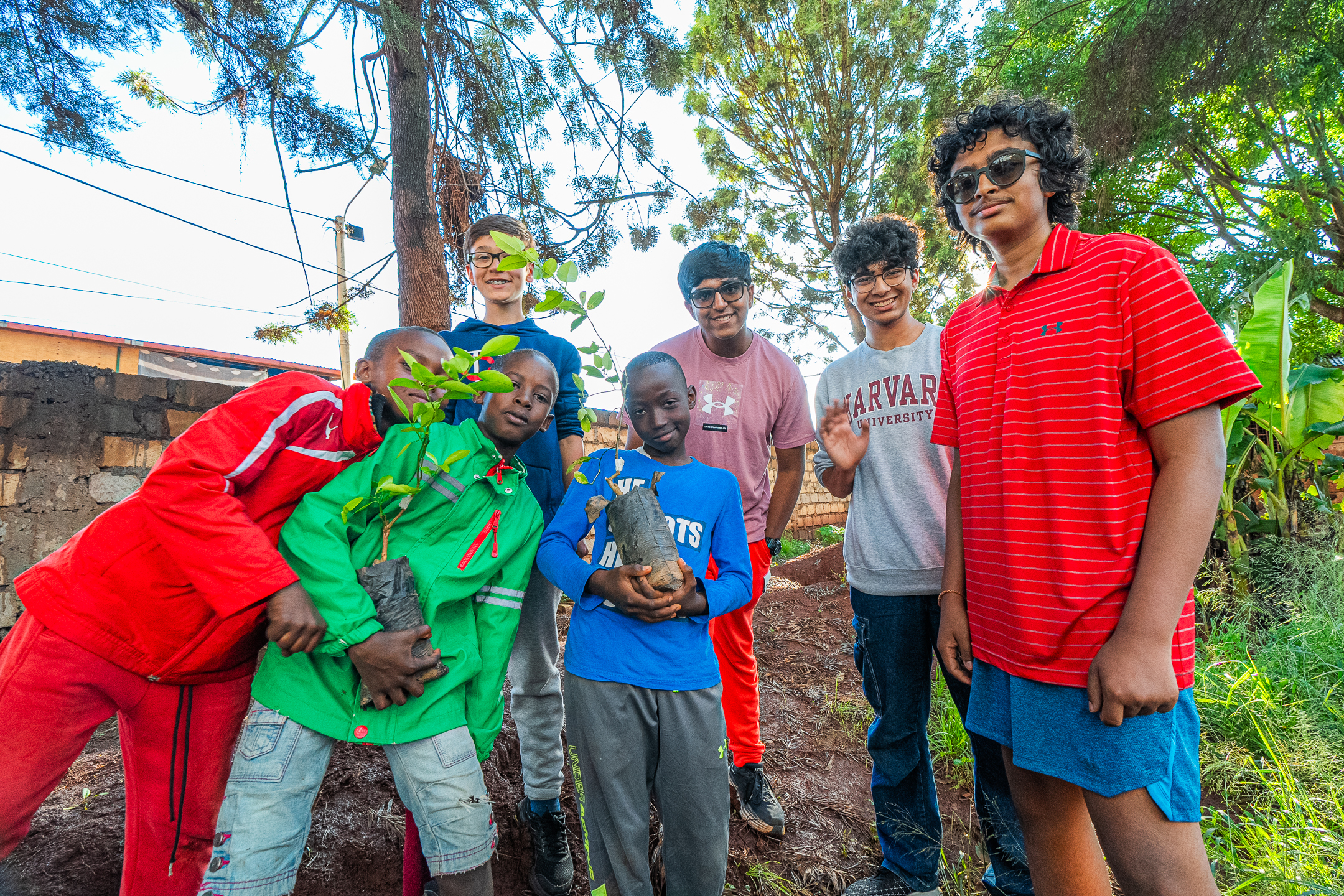

The Growing Need for Global Citizens
Today's students will navigate a profoundly interconnected world where complex challenges transcend national boundaries. Climate change, economic inequality, and resource scarcity require collaborative solutions that cross cultural and political borders. Traditional classroom learning, while valuable, often struggles to develop the empathy, cultural adaptability, and systems thinking these challenges require.
Educational trips bridge this gap by immersing students in contexts where global issues become tangible and personal. When students witness firsthand how environmental degradation affects communities thousands of miles from home, or collaborate with peers from different cultures on shared challenges, abstract concepts transform into lived experiences that shape their worldview.
The Evidence for Educational Travel's Impact
Research consistently demonstrates the transformative power of well-designed educational travel experiences. According to NAFSA research, 57 percent of respondents believe their study abroad experience contributed to securing their first job, while broader studies show that 87% of participants claim studying abroad influenced their subsequent educational experiences.
Additional research reveals that 86% of educational travel participants report reinforcement of their commitment to foreign language study, and 80% report enhanced interest in academic study. These statistics underscore how educational travel creates lasting engagement with learning and global perspectives.
Furthermore, 64% of students who studied abroad report that the experience influenced their decision to attend graduate school, while 63% say it influenced decisions to expand or change academic majors, demonstrating the profound impact these experiences have on students' academic and career trajectories.
Key Elements of Effective Global Citizenship Trips
Effective global citizenship trips share several critical characteristics that distinguish them from conventional tourism or superficial cultural exchanges:
Collaborative Engagement: The most impactful programs position students as collaborators rather than observers. Students work alongside peers from different cultures on shared projects or challenges, developing both cross-cultural communication skills and practical problem-solving abilities in diverse contexts.
Systems Thinking Development: Effective trips explicitly connect local experiences to global systems. When students see how water scarcity in one region connects to global climate patterns, trade relationships, and resource distribution, they develop the systems thinking essential for addressing 21st-century challenges.
Structured Reflection: Meaningful educational travel incorporates substantial reflection through structured discussions, journaling, and presentations. These activities help students process their experiences, identify personal growth areas, and recognise opportunities for continued engagement with global issues.
Multiple Perspective Exposure: The best programs challenge simple narratives by exposing students to multiple perspectives on complex issues. Rather than presenting problems with straightforward solutions, these experiences promote critical thinking about students' own assumptions and the nuanced nature of global challenges.
Practical Skills Development
Beyond perspective shifts, educational travel develops practical skills essential for global citizenship. Students learn to navigate unfamiliar cultural contexts, communicate across language differences, adapt to unexpected challenges, and recognise that valid approaches to problems may differ significantly from their familiar frameworks.
These skills prove invaluable in an increasingly globalised economy where cross-cultural competence, adaptability, and systems thinking are highly valued by employers and essential for addressing complex societal challenges.
Institutional Alignment and Implementation
For schools, thoughtfully designed educational trips provide crucial alignment between stated values and lived experiences. Most educational institutions claim to prepare students for global citizenship, but many rely primarily on classroom instruction to deliver this preparation. Educational travel brings these aspirations into practice, creating authentic learning environments where global citizenship skills are developed through experience rather than theory.
Schools considering implementing or enhancing global citizenship components in their travel programs should focus on partnerships with local organisations, structured pre-trip preparation, ongoing reflection during travel, and post-trip integration of experiences into broader curriculum.
The Broader Impact
The ripple effects of well-designed educational travel extend far beyond individual students. Research shows that participants are more likely to engage in international work or volunteer opportunities after their experiences, creating networks of globally-minded citizens who continue contributing to cross-cultural understanding and collaboration throughout their careers.
Looking Forward
What might our world look like if every student had the opportunity to develop genuine global citizenship through meaningful educational travel? As educators, parents, and community members, we have the opportunity to advocate for and support programs that move beyond surface-level cultural exposure to create transformative learning experiences.
The question for educational leaders becomes not whether to integrate global citizenship components into educational travel, but how to design these experiences most effectively. In an interconnected world facing unprecedented challenges, developing global citizens isn't just an educational aspiration but an urgent necessity.
How might your school or community integrate global citizenship components into existing or planned educational travel programs? The investment in developing globally-minded citizens today will yield dividends in the collaborative solutions our world desperately needs tomorrow.