

Ever wonder what truly prepares students for real-world challenges? It's not just what happens within classroom walls.
I've spent years studying educational outcomes, and the data consistently shows that well-designed educational trips have profound impacts on student learning. Research from the Learning Away Final Report demonstrates that 60% of secondary students report a better understanding of their subject after participating in a residential trip. This isn't about fun excursions or sightseeing but about transformative learning experiences that create lasting impact.
The Three Pillars of Transformative Educational Travel
The most powerful educational trips share three key elements that classroom learning often struggles to provide:
Authentic Context
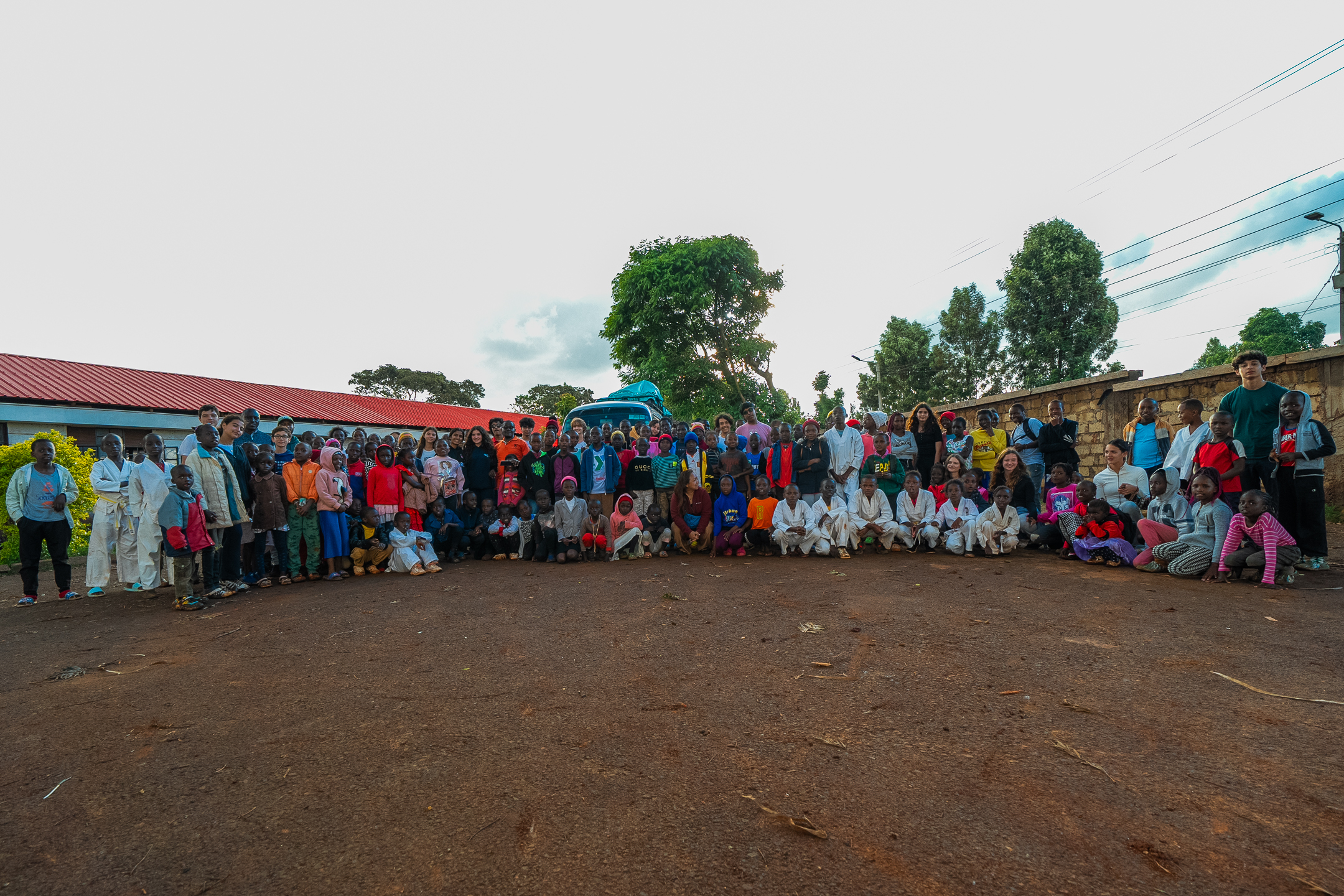
First, they offer authentic context. When students visit communities facing actual environmental or social challenges, theoretical concepts become tangible realities. A student who has helped transform degraded land at a school in Africa to a thriving farm that produces food for children understands agriculture and food systems in ways textbooks simply cannot convey.
Traditional classroom environments primarily cater to auditory and visual learners, but educational trips engage multiple learning styles simultaneously. Students experience kinaesthetic learning through hands-on activities, spatial learning through navigation and exploration, and social learning through collaboration with peers and community members.
Crucial Soft Skills Development
Second, they develop crucial soft skills. Educational trips place students in situations requiring adaptability, teamwork, cultural sensitivity, and problem-solving under real constraints. These competencies are consistently ranked amongst the most valuable by employers yet are difficult to meaningfully practise in classroom settings.
Research indicates that students who participate in educational travel demonstrate measurable improvements in critical thinking skills, knowledge retention, and academic performance. These benefits are particularly pronounced for students from underprivileged backgrounds, suggesting that educational trips can help address educational inequalities.
Genuine Empathy and Global Citizenship
Third, they foster genuine empathy. When students engage with different communities and witness social or environmental challenges firsthand, they develop deeper understanding and motivation to create positive change. This emotional connection transforms passive learning into active citizenship.
Studies show that regardless of gender, ethnicity or socioeconomic status, children who take school trips demonstrate better grades (59%), higher graduation rates from secondary school (95%) and university (63%), and greater income potential (12% higher annually). Moreover, 89% report that educational trips had a positive impact on their lives.
The Growing Recognition of Educational Travel
The educational tourism market has grown substantially, with current valuations ranging from USD 456.6 billion to USD 459.76 billion in 2024, reflecting schools' recognition of these benefits. What's particularly encouraging is the shift towards sustainability and social impact as core elements of these experiences.
The market is projected to continue expanding rapidly, with estimates suggesting it could reach between USD 970 billion and USD 1,402 billion by 2030-2033, driven by growing demand for experiential learning and international connectivity.
Measurable Educational Outcomes
Schools incorporating service-learning components into trips report significant increases in student engagement upon return to the classroom. Research demonstrates that culturally enriching trips can boost grades and decrease absences and behavioural infractions, providing concrete evidence of their educational value.
Students who participate in community-based projects during educational trips show measurably higher rates of civic engagement in the years following their experiences. This connection between experiential learning and long-term civic participation suggests that educational trips contribute to developing engaged citizens as well as academically successful students.
Beyond Academic Achievement
The lasting value of educational trips extends far beyond subject knowledge. They create students who don't just understand the world's challenges but feel empowered to address them. In educational travel, students wholeheartedly devote themselves to the activity and use both their mind and body to understand, operate, and think, creating a more holistic learning experience.
For students with special educational needs, these benefits can be particularly pronounced. Educational trips provide hands-on and contextual learning opportunities that can unlock potential that traditional classroom settings might not reveal.
Implementation Considerations for Schools
For school leaders considering how to enhance learning experiences, educational trips with purpose should be viewed not as optional enrichment but as essential components of a complete education. The question isn't whether you can afford to incorporate such experiences, but whether you can afford not to.
Effective educational travel programmes should focus on:
- **Clear learning objectives **that connect to curriculum goals
- **Community partnerships **that ensure authentic, meaningful experiences
- Reflection and integration activities that help students process and apply their learning
- Sustainability considerations that model responsible global citizenship
- Accessibility measures that ensure all students can participate regardless of economic background
The Future of Education
As we prepare students for an increasingly interconnected and complex world, educational experiences that develop both academic knowledge and practical life skills become ever more critical. The evidence clearly demonstrates that well-designed educational trips provide unique learning opportunities that traditional classroom instruction cannot replicate.
The challenge for educators and school leaders is not whether to incorporate educational travel into their programmes, but how to design these experiences most effectively. With proper planning and implementation, educational trips can serve as powerful catalysts for academic achievement, personal growth, and lifelong civic engagement.
What experiences outside the classroom have shaped your understanding of education's purpose? How might schools in your community better utilise educational travel to prepare students for the future they'll inherit? The evidence suggests that the answer lies not in choosing between classroom and experiential learning, but in creating thoughtful integrations that maximise the benefits of both approaches.