
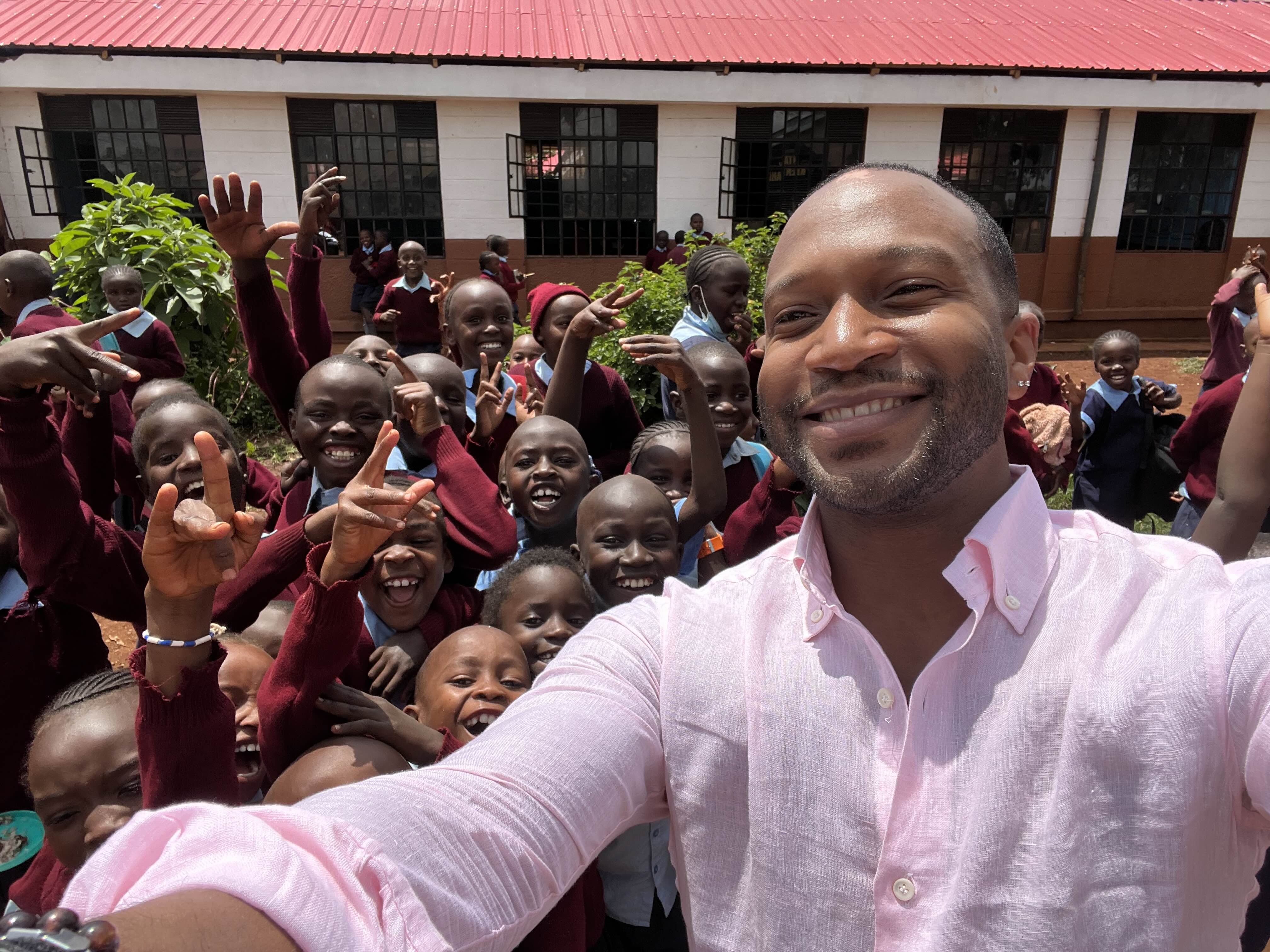

"We're going to provide food to kids in the slums of Kenya."
This well-intentioned announcement from a charity makes me cringe every time I hear something similar. It represents an outdated model of social initiatives that continue to strip Africa of its dignity.The problem isn't the desire to help—it's the language and the approach. Traditional "voluntourism" frequently creates dependency, disrupts local economies, and perpetuates harmful stereotypes, all while giving students an oversimplified understanding of complex social challenges.
The Hidden Costs of Good Intentions
When we examine the impact of conventional volunteerism and charity work in Africa, troubling patterns emerge. Communities become dependent on external aid rather than developing their own sustainable solutions. Local workers lose employment opportunities to well-meaning volunteers who often lack the skills or cultural understanding to create meaningful change. Perhaps most damaging, these initiatives reinforce the narrative of Africa as a continent defined by poverty, helplessness, and need, a story that ignores the innovation, resilience, and wealth of knowledge that exists within African communities.This approach doesn't just harm the communities it aims to help; it also shortchanges the students and volunteers involved. When young people encounter only one dimension of African life, the struggles, they miss the opportunity to learn from diverse perspectives, innovative solutions, and rich cultural traditions that could broaden their worldview and enhance their problem-solving capabilities.
A New Framework for Educational Travel
Today's social initiatives and educational travel to Africa require a more thoughtful approach that benefits both students and communities through genuine partnerships and sustainable impact. This shift isn't just about being more culturally sensitive, it's about creating more effective, lasting change.Research published in the Journal of Sustainable Tourism demonstrates that when educational trips are designed through collaborative planning with host communities and focus on their self-identified needs, both destinations and visitors experience more positive, lasting outcomes. This evidence-based approach challenges us to rethink everything from how we design programs to how we measure success.
The Principles of Community-Centred Engagement
Effective community-focused educational trips differ from typical volunteerism in several crucial ways that fundamentally reshape the entire experience: They begin with listening, not planning. Schools establish relationships with community organisations and leaders long before arrival to understand actual needs rather than presumed ones. This means spending months, not days, in conversation with community partners to identify where students can genuinely contribute while learning. They focus on exchange, not rescue. Students and communities each bring valuable knowledge and skills to share. The interaction is horizontal, not hierarchical. Students might learn innovative water conservation techniques while sharing digital literacy skills, creating mutual benefit rather than one-sided aid. They emphasise sustainability and local capacity. Projects continue after students leave, with local leadership and resources already in place. This requires designing initiatives that strengthen existing systems rather than creating new dependencies. They prioritise learning about systems, not symptoms. Students examine root causes of challenges and consider how structural factors contribute to the issues they witness. Instead of simply addressing hunger, for example, students explore agricultural policies, climate change impacts, and economic systems that affect food security.
Measuring True Impact
The results of this approach speak for themselves. Research suggests that community-centred educational trips may have more lasting impact on students' global engagement than traditional volunteer experiences. Students who participate in immersive, community-focused programs often demonstrate sustained interest in global issues years after their initial experience, while those engaged in conventional short-term volunteer work may show less long-term commitment to international causes. For host communities, properly structured educational trips provide meaningful benefits beyond temporary assistance: authentic cultural exchange that honours local knowledge, resource sharing that builds on existing strengths, economic support through local services and partnerships, and collaboration on community-identified priorities that create lasting change.
Implementing Ethical Frameworks
Implementation requires careful attention to ethics and ongoing evaluation. Schools should evaluate potential community partnerships with critical questions that guide every decision:
- Who identified the need for this project?
- Who will benefit most from this engagement?
- What happens after we leave?
- How will success be measured by community standards?
- Is the project sustainable without outside support?
- Are we building local capacity or creating dependency?
These questions should be revisited throughout the partnership, not just during initial planning phases.
Transforming Student Perspectives
Schools that adopt this approach often discover that the impact extends well beyond the trip itself. Students return with nuanced understandings of social issues, recognising both challenges and community strengths. They develop respect for diverse approaches to problem-solving and appreciation for local knowledge that challenges their assumptions about development and progress. Most importantly, they learn to participate in change efforts with humility and cultural respect, a lesson that shapes how they engage with their own communities long after they return home. These students become advocates for more ethical approaches to global engagement and often pursue careers focused on sustainable development and social justice.
Redefining Success in Educational Travel
The transformation from traditional volunteerism to community-centred engagement requires us to redefine what success looks like. Instead of measuring impact by the number of schools built or meals served, we evaluate the strength of relationships formed, the sustainability of initiatives launched, and the ongoing engagement of both students and communities in addressing shared challenges. This approach acknowledges that meaningful change takes time, requires deep cultural understanding, and emerges from genuine partnerships rather than one-sided interventions. It recognises that African communities have been developing innovative solutions to complex challenges for centuries and that students have as much to learn as they do to contribute.
Moving Forward: Questions for Reflection
As we work to transform educational travel and social impact initiatives, we must continually ask ourselves challenging questions:What might educational trips look like if we centred community needs and perspectives rather than just student experiences? How could your school develop ethical frameworks for community engagement during educational travel? What would change if we approached global partnerships with the same respect and collaboration we expect in our local community relationships?The path forward requires courage to abandon familiar approaches that feel good but create limited impact. It demands that we listen more than we speak, learn more than we teach, and measure success by the sustainability of relationships rather than the immediacy of outcomes. By embracing this more thoughtful approach to social impact and educational travel, we can create experiences that honour the dignity and expertise of all communities while developing globally-minded students who understand their role as collaborative partners in creating positive change. The result is not just better outcomes for everyone involved, but a more accurate and respectful narrative about Africa and its place in our interconnected world.